
What Affects the Cost of a Bespoke Timber Door?

Bespoke timber doors don’t have a fixed price because no two projects are actually the same. Even when two doors look similar from the outside, the underlying construction, hardware specification and installation requirements can be completely different.
In Cornwall and Devon especially, older properties add another layer of complexity. Stone openings are rarely square, thresholds vary in depth, and previous alterations often hide structural movement that only becomes obvious during survey.
At Wood.ED Joinery, we price each bespoke timber door based on what it needs to do, not a template. That’s the only reliable way to reflect the real cost of design, manufacture and installation.
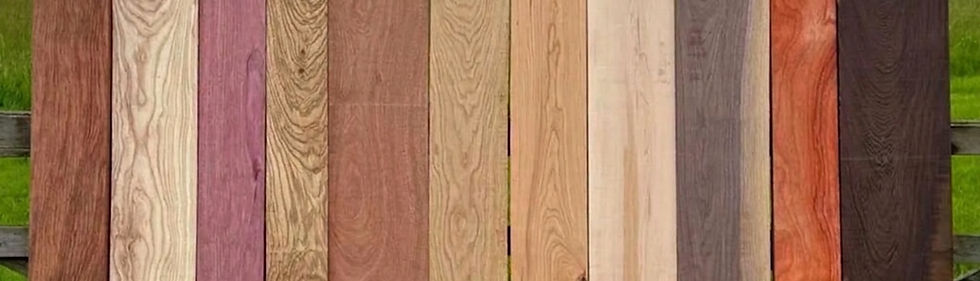
Timber choice changes everything
Material selection is one of the biggest cost drivers, but not in a simple “good vs bad” way.
We typically work with:
Accoya for exposed coastal properties or where stability is critical
Hardwoods where traditional appearance and strength are priorities
Selected hardwoods for more sheltered or conservation-led projects
Accoya often costs more upfront, but it reduces movement over time, which can lower long-term maintenance and adjustment costs. Hardwood may be more economical initially, but it can require more careful detailing in exposed environments.
The “cheapest” timber on paper isn’t always the most cost-effective once the building’s conditions are considered.
Complexity of the design
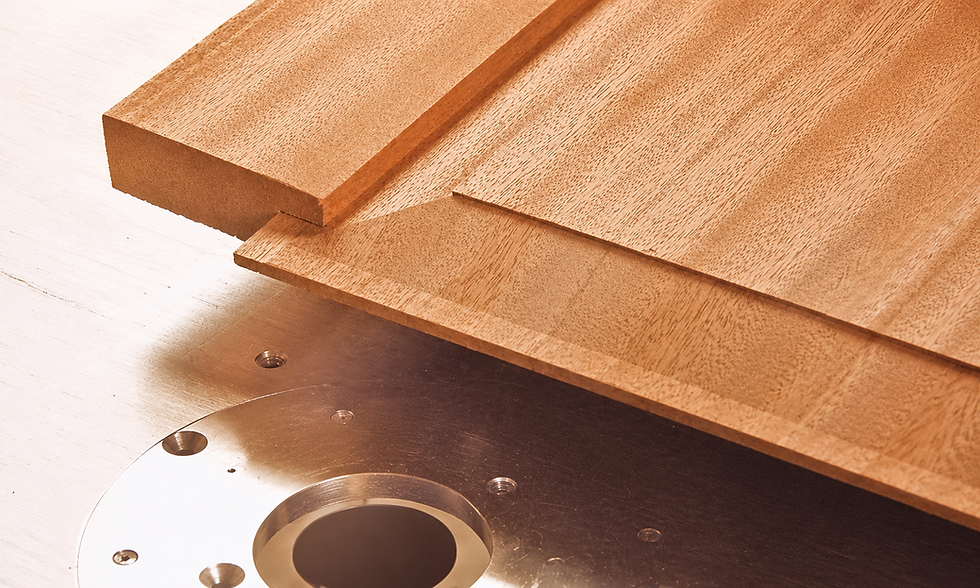
A plain solid door is far quicker to manufacture than a detailed period-style door with glazing, mouldings and panels.
Costs increase with:
Raised and fielded panels
Glazed sections with slimline or decorative glass
Traditional moulded detailing
Dual finish requirements (internal/external differences)
Non-standard proportions or heritage replication work
A Georgian or Victorian-style door often requires more machining time and hand finishing because proportions need to be exact for the building to look right.
Small design decisions—like glazing bar thickness or panel depth—can significantly affect production time.
Real project: cost variation on two “similar” doors in Falmouth
We were recently asked to quote for two front doors on neighbouring Victorian properties in Falmouth. From the street, both entrances looked almost identical.
On paper, they should have been straightforward replacements.
Once we surveyed both properties, the differences became clear.
The first property had a relatively stable opening with only minor settlement. The door required standard Accoya construction, a multi-point locking system and slimline double glazing.
The second property was far more complex:
The stone arch had dropped by nearly 12mm on one side
The threshold had been rebuilt twice in different materials
The existing frame was out of square by up to 15mm
Damp exposure from prevailing winds was significantly higher
This meant we had to:
Individually template the opening rather than rely on standard measurements
Rebuild parts of the sub-frame to correct alignment
Increase structural reinforcement within the door stile
Adjust glazing specifications to maintain proportions despite irregular geometry
The result was two visually similar doors, but with very different manufacturing processes behind them. The second required more time in both design and installation, which directly affected cost.
Hardware specification is often underestimated
Locking systems and ironmongery can significantly change the final price.
Basic setups might include:
Standard lock and handle set
Basic hinges
Single-point locking
Higher-spec systems introduce:
Multi-point locking mechanisms
Anti-snap cylinders
Heavy-duty stainless steel hinges
Security-grade glazing systems
Concealed reinforcement within the door leaf
These components don’t just add cost; they also change how the door is engineered internally. Reinforcement needs to be built into the timber structure from the start.
Retrofitting hardware after manufacture is rarely possible without compromising performance.
Installation complexity matters more than most people expect
Even a well-made door can become expensive to install if the building is difficult to work with.
Common factors that increase installation time:
Uneven masonry openings
Deep or shallow reveals requiring custom lining
Structural movement in older buildings
Limited access for fitting equipment
Need for threshold rebuilding or drainage correction
In many Cornish and Devon properties, installation is not a simple “swap.” It often involves correcting the opening before the door can even be fitted.
That work is part of the overall cost, even though it happens on site rather than in the workshop.
Finishes and coatings are not just cosmetic
Paint or stain systems vary in performance and preparation requirements.
Cost is affected by:
Number of coating layers required
Level of surface preparation
Coastal exposure demanding higher durability systems
Colour changes requiring additional priming stages
Internal/external dual finish specifications
A properly specified coating system is structural protection for the timber, not decoration.
Cutting corners here often leads to early failure and higher long-term costs.

Real-world durability decisions affect upfront pricing
Some cost differences come from decisions made to avoid future problems.
For example:
Using Accoya in exposed coastal locations reduces movement and repaint frequency
Increasing drainage detailing prevents water pooling at joints
Upgrading seal systems reduces draught-related wear
Reinforcing end grain areas extends service life
These decisions increase initial cost but reduce the likelihood of early repair or replacement.
Cheaper doors often cost more over time because they require earlier intervention.
Frequently Asked Questions
Why do bespoke timber doors vary so much in price?
Because every door is made to suit a specific building, with different sizes, materials, detailing, hardware and installation requirements. There is no standard production model.
Is Accoya more expensive than hardwood?
Usually, yes. However, its stability can reduce maintenance and adjustment costs over time, particularly in exposed coastal environments.
Does glazing increase the cost of a timber door?
Yes. Glazed sections require additional machining, sealing, reinforcement and often higher-spec glass, all of which increase manufacturing time and cost.
Can installation affect the total price?
Significantly. Older buildings often require adjustments to the opening, frame alignment or threshold before the door can be fitted correctly.
Cost of a Bespoke Timber Door
Bespoke timber doors don’t follow a fixed pricing structure because they aren’t fixed products. They are made to solve specific problems in specific buildings. The cost of a Bespoke Timber Door reflects how much work is required to make the door fit, perform and last in its actual environment—not just how it looks on paper.


Comments