
Draught-Proofing Old Timber Windows: What Works and What Doesn't

Old timber windows are often blamed for cold rooms, rising heating bills and uncomfortable draughts. While it's true that many older windows allow air to leak through gaps that have developed over decades, replacing them isn't always the only—or even the best—solution.
In many period homes across Cornwall and Devon, the timber itself remains in excellent condition. The problem is usually worn sash cords, loose joints, failed seals or years of paint build-up preventing the window from closing properly.
At Wood.ED Joinery, we regularly restore and draught-proof old timber windows, helping homeowners improve comfort while preserving the original character of their property. The key is understanding where the draught is coming from before deciding how to fix it.
Why old timber windows become draughty
Timber windows don't suddenly become inefficient. They gradually change as both the building and the joinery move over time.
Some of the most common causes of draughts include:
Natural wear to sash cords and pulleys
Timber shrinking and expanding through seasonal moisture changes
Worn or missing weather seals
Paint build-up preventing the sashes from closing fully
Settlement within the building causing the frame to move slightly
Previous repairs that have altered the window's geometry
In many cases, the gaps allowing cold air inside measure only a few millimetres—but even small openings can have a noticeable impact during a windy Cornish winter.
Draught-proofing isn't the same as sealing everything
One of the biggest mistakes homeowners make is trying to eliminate every source of airflow.
Traditional buildings were designed to breathe. Completely sealing old timber windows without considering the rest of the building can create condensation and moisture problems elsewhere.
Good draught-proofing aims to:
Reduce uncontrolled air leakage
Maintain smooth window operation
Preserve ventilation where it's needed
Prevent water ingress
Improve comfort without trapping moisture
It's a balance, not an attempt to make an old building behave like a modern airtight home.
What professional draught-proofing involves
Proper draught-proofing is much more than applying self-adhesive foam strips around the frame.
A typical restoration may include:
Removing the sashes from the frame
Cleaning paint build-up from sliding surfaces
Replacing worn sash cords
Servicing or replacing pulleys
Installing discreet brush pile weather seals
Adjusting sash alignment
Repairing small timber defects where necessary
The brush seals are carefully machined into the meeting rails and staff beads, making them almost invisible once the window is reassembled.
The result is a window that operates smoothly while significantly reducing unwanted air leakage.
Real project: improving comfort in an Edwardian home near Tavistock
We recently worked on an Edwardian property on the edge of Dartmoor where the homeowners believed all the front elevation sash windows needed replacing because of severe draughts.
The windows certainly felt cold.
However, after carrying out a detailed inspection, we found the original timber remained in excellent condition.
The problems were elsewhere.
Several sash cords had stretched over time, preventing the upper sashes from seating correctly. Years of repainting had also caused excessive friction along the staff beads, leaving small gaps when the windows were closed.
Measurements showed one sash sitting almost 5mm proud of the meeting rail due to uneven wear.
Rather than replacing the windows, we:
Removed every sash for workshop restoration
Installed new brush pile draught-proofing throughout
Replaced worn sash cords with waxed cotton cords
Serviced the original brass pulleys
Carried out minor splice repairs to two lower rails
Rebalanced the counterweights after fitting slimline double glazing to selected windows
Once reinstalled, the windows closed cleanly with consistent seal compression across the full height of the frame.
The homeowners immediately noticed that the rooms no longer felt cold near the windows, despite retaining the original timber joinery.
How much difference does draught-proofing make?
One of the biggest improvements isn't always reflected by energy bills.
Many homeowners notice:
Fewer cold spots around windows
More consistent room temperatures
Less outside noise
Reduced rattling during strong winds
Improved comfort when sitting near the window
In exposed parts of Cornwall and Devon, reducing wind-driven air leakage often has a greater impact on comfort than changing the glazing alone.
Can you draught-proof casement windows?
Yes.
Although sash windows are most commonly associated with draught-proofing, traditional timber casement windows can also benefit.
Common improvements include:
Replacing worn compression seals
Adjusting hinges
Repairing distorted frames
Improving latch alignment
Replacing damaged glazing seals
Again, the objective is controlled sealing rather than simply filling gaps.
Should you use DIY draught excluders?
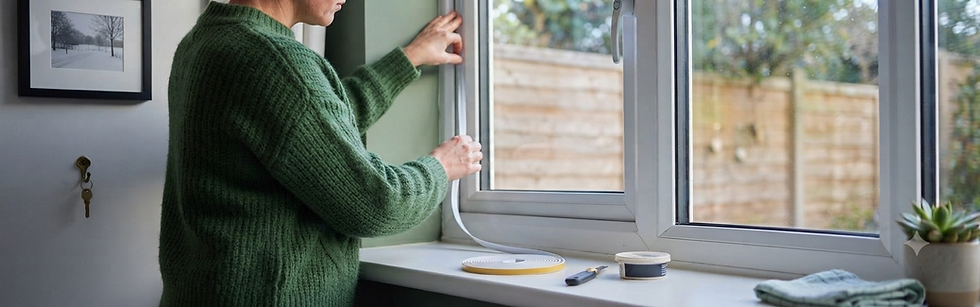
Temporary products such as foam strips and stick-on seals can reduce draughts in the short term.
However, they often introduce new problems.
Common issues include:
Preventing the window from closing fully
Trapping moisture against the timber
Peeling away after one or two seasons
Affecting the smooth movement of sash windows
Professional systems are integrated into the joinery itself, allowing the seals to work without interfering with operation.
When draught-proofing isn't enough
There are situations where draught-proofing alone won't solve the problem.
Replacement may be the better option if:
Structural joints have failed
Extensive rot has weakened the frame
Previous repairs have significantly distorted the window
The building requires entirely new glazing systems to meet specific performance goals
A detailed survey helps determine whether restoration or replacement will provide the better long-term outcome.
Maintaining draught-proofed windows
Once restored, ongoing maintenance is relatively straightforward.
We recommend:
Inspecting paintwork annually
Cleaning the sliding channels
Keeping drainage routes clear
Lubricating locks and pulleys where appropriate
Checking seals during routine decoration
These small tasks help maintain both comfort and the lifespan of the window.
Frequently Asked Questions
Does draught-proofing make old windows energy efficient?
It can significantly improve performance by reducing uncontrolled air leakage. Combined with modern glazing where appropriate, it often provides a noticeable improvement in comfort.
Can original sash windows be draught-proofed without changing their appearance?
Yes. Modern brush pile seals are usually concealed within the joinery and have very little visual impact.
Is it worth draught-proofing listed building windows?
In many cases, yes. Draught-proofing is often encouraged because it improves comfort while preserving original historic fabric.
How long does professional draught-proofing last?
With normal use and routine maintenance, professionally installed draught-proofing systems can continue performing effectively for many years before requiring adjustment or replacement.
Draught proofing don't automatically mean a timber window has reached the end of its life. More often, they're a sign that individual components have worn, the building has moved slightly, or the window simply needs careful adjustment. Restoring the original joinery and improving its sealing can often deliver a warmer, more comfortable home while preserving the craftsmanship that has already stood the test of time.


Comments